
Custom web development vs. templates: why custom architecture is the standard for US & EU markets
Article
Does your small business need a mobile app? Pros, cons, and a rational approach
by Anastasiia Resulova
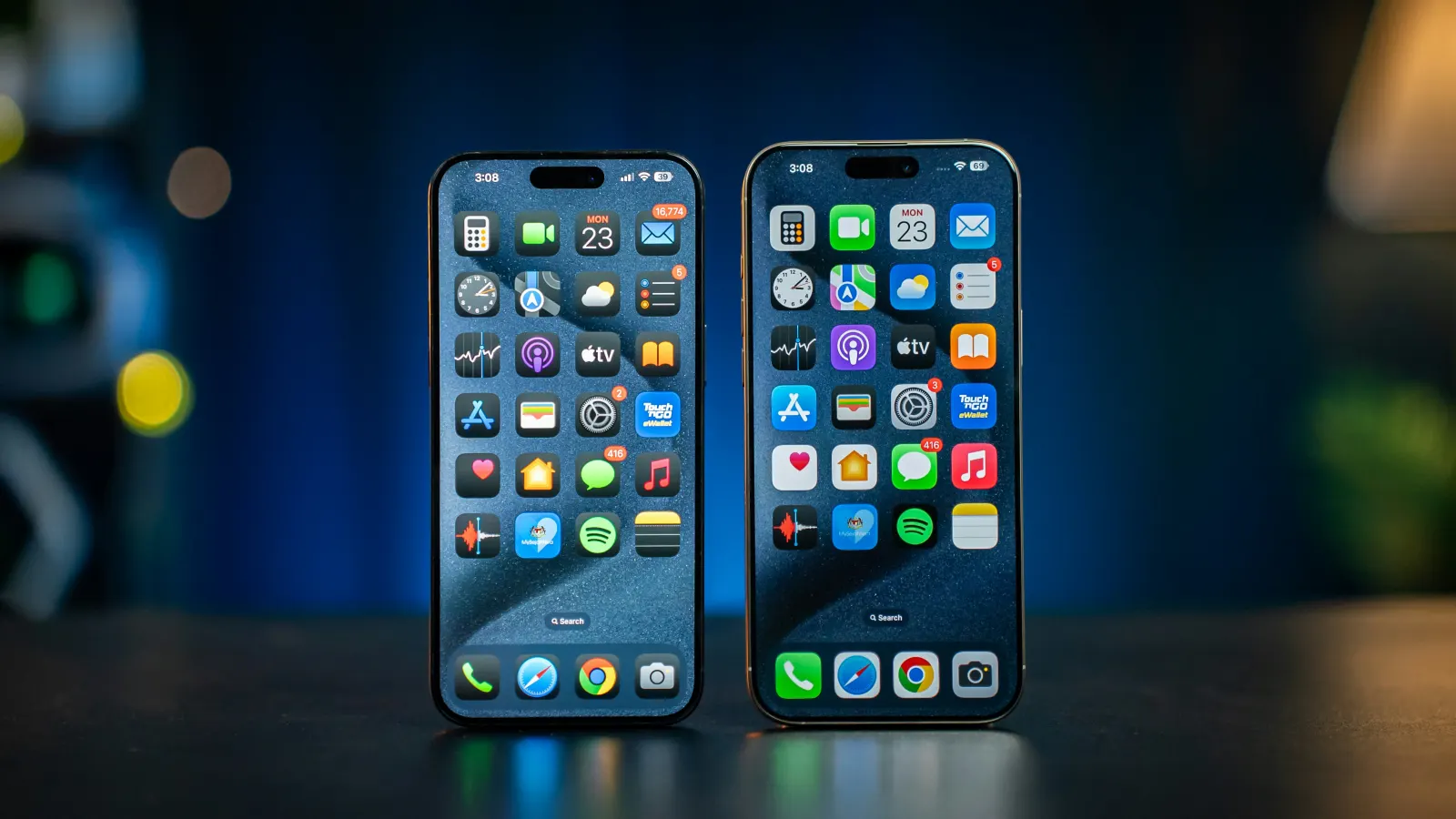
Today, having your own app on the App Store or Google Play is often seen as a status symbol. Small businesses, inspired by the digital success of giants like Amazon or Starbucks, often rush into development, expecting explosive sales growth.
But is it always justified? At DoBroIT, we believe that technology should serve business goals, not just exist «because everyone else has one». Let's break down where the hype ends and real profit begins.
Mobile app vs. responsive website: what's the strategic difference?
Before allocating a budget for development, it is crucial to understand the fundamental difference in the roles of these tools:
- Mobile website is an acquisition tool
It's essential for new customers to find you via Google, browse your catalog, and make their first purchase. It's your «entry ticket» to the digital world.
- Mobile app is a retention tool
Customers rarely download an app before their first purchase. It is installed by those who already trust you and plan to return again and again.
DoBroIT Insight: If your business model doesn't involve repeat sales at least twice a month, a mobile app risks becoming an «icon graveyard» on your customer's smartphone.
When is a mobile app a smart investment?
We identify 4 scenarios where developing your own product is a logical step for a small business:
- High transaction frequency
Coffee shops, food delivery, or regular services (salons, car washes). An app simplifies the recurring customer journey.
- Need for specific functionality
If your business requires access to the camera (QR scanning), geolocation (real-time courier tracking), or stable offline performance.
- Free marketing via push notifications
You get a direct communication channel, bypassing paid SMS or email newsletters that often end up in spam.
- Complex loyalty programs
Gamification, bonus points, and personalized in-app discounts perform significantly better than paper cards or SMS codes.
Pros and cons: what you should know upfront
Advantages:
- Speed
Apps load faster than websites, which is critical for conversion rates.
- Branding
Your company icon is constantly visible on the user's screen.
- Personalization
The ability to collect user behavior data and offer tailored deals in real-time.
Disadvantages (and hidden costs):
- High acquisition cost
Convincing a user to download an app is much more expensive than driving them to a website.
- Technical support
Apps require constant updates for new iOS and Android versions; otherwise, they stop functioning correctly.
- Double development
To reach all customers, you need to build two separate versions (iOS and Android) or invest in cross-platform solutions.
Alternative paths: can you do without an app?
For many small businesses, there are more efficient and cost-effective solutions:
- PWA (progressive web apps)
Technology that allows your website to function like an app (add an icon to the home screen, send push notifications) without the high cost of App Store development.
- Messenger automation
Chatbots in WhatsApp, Telegram, or Viber often solve 80% of customer tasks at 20% of the cost of an app.
- High-quality mobile site + CRM
Sometimes, simply fixing your sales funnel and integrating a CRM is enough to keep customers coming back via a mobile-friendly site.
Checklist: is your business ready for its own app?
Answer «Yes» or «No» to the following questions:
- Do my customers buy from me more than once a month?
- Do I need to use smartphone features (GPS, camera) to provide my service?
- Does my marketing budget allow for specific app-install campaigns?
- Is my mobile website so overloaded that an app would significantly simplify the user experience?
If you answered «No» to 3 out of 4 questions, you might want to focus on automating your current sales funnel first.

Conclusion: start with strategy, not code
A mobile app can be a powerful lever for scaling a small business, but only if it solves a real customer problem rather than just satisfying the owner's ambition.
At DoBroIT, we don't just «write code» — we help you choose the most effective path for your digital transformation. We analyze your processes and give you an honest answer: will an app generate profit in your specific case?
Unsure if an app is worth the investment? Book a consultation. We'll analyze your sales funnel and help you find the solution that offers the fastest ROI.
The latest
Aviation web development: conquer the skies with a reliable AI-powered assistant
Does Your Small Business Need a Mobile App? Pros, Cons, and a Rational Approach
Why your business needs process automation right now?
CRM systems: how to choose the right one and why automating chaos fails
Digital transformation & AI solutions for healthcare
Anastasiia Resulova - CEO of DoBroIT. She is passionate about helping businesses grow through thoughtful tech solutions. In this blog, Anastasiia shares ideas, insights, and real-world lessons from working with international teams and clients in various industries.